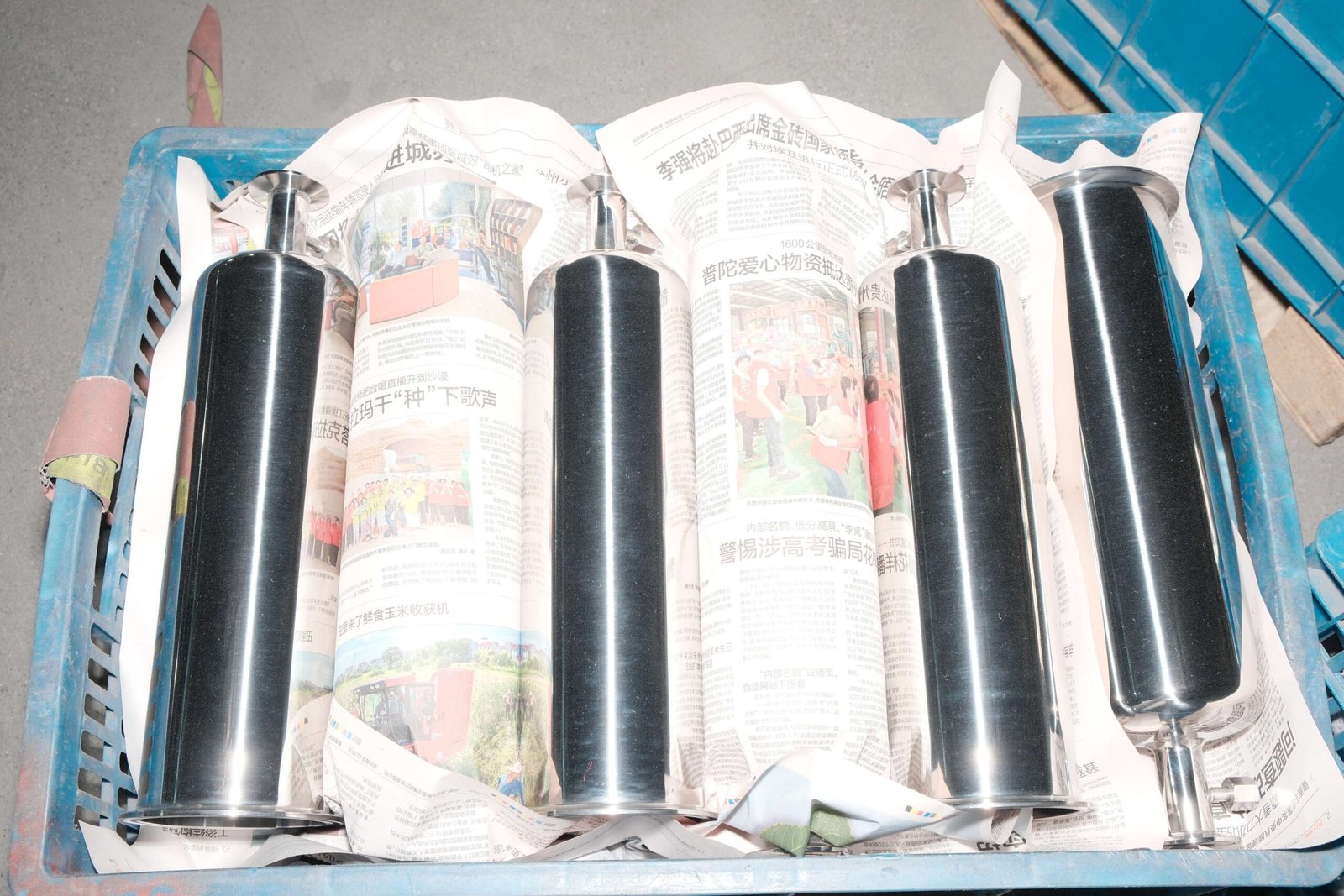

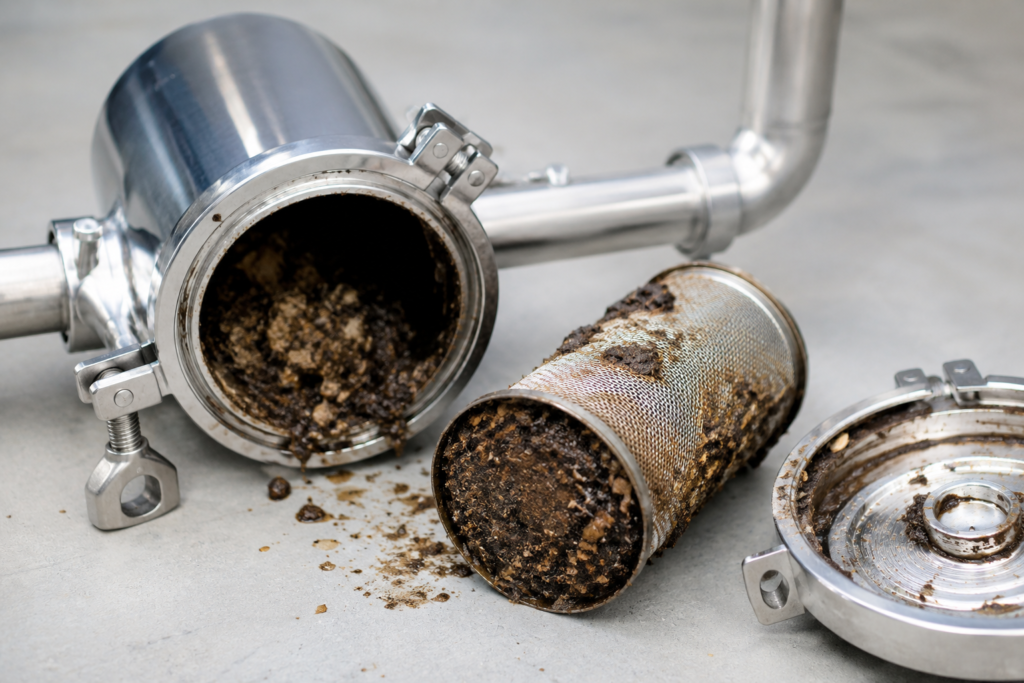
Inline filter housings are widely used in water treatment, food processing, chemical systems, and industrial pipelines. However, one common problem many users face is rapid filter clogging.
Frequent clogging not only reduces flow rate, but also increases maintenance costs, pressure drop, and system downtime.
So why do inline filters clog too fast? You can overview and check if your condition meet the below items:
1. Filtration Area Is Too Small
A small filtration area can’t handle large amounts of particles efficiently.
When too much contamination passes through a limited filter surface, debris quickly accumulates and blocks the filter.
2. Incorrect Micron Rating
Many users believe finer filtration is always better. In reality, using an excessively fine micron rating may cause rapid blockage and unstable flow.
For example, using a 1μm or 5μm filter for normal particle filtration can lead to unnecessary pressure loss and frequent maintenance.
3. Excessive Flow Rate
When system flow exceeds the filter’s design capacity, particles impact the filter surface at high speed, accelerating clogging.
High flow rates may also increase pressure drop and shorten filter element lifespan.
4. Poor Internal Design
Some low-quality inline filters have inefficient internal flow structures.
This can cause uneven distribution of water or liquid, meaning only part of the filter surface is effectively used.
How to Reduce Inline Filter Clogging
To improve filtration performance and reduce maintenance:
Choose the correct micron rating
Use a larger filtration area
Match the filter with system flow rate
Clean filters regularly
Select high-quality stainless steel filter housings
A reliable inline filter should not only remove particles efficiently, but also maintain stable flow, easy maintenance, and long-term performance.